
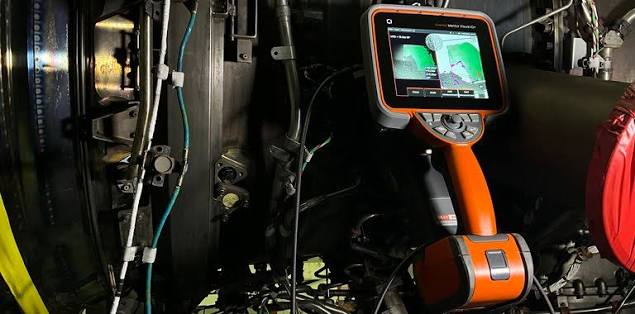
Industrial operations are becoming increasingly complex, with machinery expected to operate continuously while maintaining high levels of safety and efficiency. From manufacturing plants to aviation maintenance facilities, organizations cannot afford inaccurate inspections or unnecessary equipment shutdowns. Precision diagnostics has therefore become a cornerstone of modern maintenance strategies, and borescopes play a vital role in achieving that objective.
By allowing professionals to inspect the inside of machinery without extensive disassembly, borescopes provide valuable insights that support faster, more accurate technical decisions.
Detecting Hidden Issues Before They Escalate
Many mechanical problems begin deep inside engines, pipelines, compressors, or production equipment where direct visual access is impossible. Small fractures, excessive wear, contamination, and loose components often remain unnoticed until they develop into major operational failures.
Borescopes make it possible to examine these concealed areas early, helping technicians identify abnormalities while repairs are still relatively simple. Early diagnosis not only reduces repair expenses but also minimizes unexpected production interruptions.
Increasing Inspection Accuracy
Precision diagnostics depends on collecting reliable information. Modern borescopes provide detailed digital images that allow maintenance teams to evaluate even the smallest defects with confidence.
Features such as adjustable illumination, zoom capability, and high-definition cameras improve visibility inside narrow passages and enclosed systems. Better image quality enables engineers to distinguish between normal wear and developing mechanical damage, leading to more accurate maintenance planning.
Supporting Critical Infrastructure
Many industries operate equipment that cannot simply be taken offline for lengthy inspections. Power generation facilities, transportation systems, oil and gas operations, and manufacturing plants all require efficient diagnostic solutions that keep operations moving.
Borescopes allow technicians to inspect critical internal components during scheduled maintenance windows without unnecessary dismantling. This reduces inspection time while maintaining confidence in equipment performance.
Reliable diagnostics also contribute to regulatory compliance in industries where equipment safety standards are especially demanding.
Enhancing Troubleshooting Efficiency
Mechanical failures often have multiple possible causes. Without direct visual evidence, technicians may spend valuable hours replacing parts that are not actually responsible for the problem.
Borescopes eliminate much of this uncertainty by providing immediate access to internal conditions. Engineers can verify suspected faults before beginning repairs, making troubleshooting more systematic and reducing wasted labor.
Faster problem identification also improves equipment availability, allowing production to resume sooner.
Helping Organizations Make Smarter Investments
Maintenance budgets are carefully managed, particularly in industries operating large fleets of equipment. Precision diagnostics helps organizations determine whether components truly require replacement or can safely remain in service.
A practical way to evaluate what is the best borescope to buy? is by matching camera resolution, articulation capability, probe diameter, and recording features to the diagnostic complexity encountered within a specific industrial environment rather than selecting equipment based only on price.
Choosing the right inspection technology ensures maintenance teams receive the level of detail needed for confident decision-making.
Improving Quality Assurance Processes
Beyond maintenance, borescopes contribute significantly to quality assurance. Manufacturers use them to inspect internal welds, machined surfaces, castings, and assembled products before shipment.
This ability to verify hidden features without damaging finished products improves production quality while reducing material waste. Consistent inspections also strengthen customer confidence by ensuring products meet demanding performance standards.
Preparing Industries For Future Technologies
As industrial automation continues to advance, diagnostic tools are evolving alongside it. Many modern borescopes integrate with digital reporting systems, allowing inspection images to be stored, analyzed, and compared over time.
These digital records support predictive maintenance programs by identifying gradual changes in component condition before failures occur. Combined with data analysis and asset management software, borescopes are becoming an important part of intelligent maintenance strategies.
Conclusion
Precision diagnostics is essential for maintaining reliable, efficient, and safe industrial operations. Borescopes provide professionals with the ability to inspect hidden components quickly, accurately, and without unnecessary equipment disassembly. Their contribution extends beyond maintenance into troubleshooting, quality assurance, infrastructure management, and predictive maintenance planning. As industries continue to demand higher operational standards, borescopes will remain one of the most valuable diagnostic technologies available, helping organizations improve reliability while making better-informed technical decisions.