
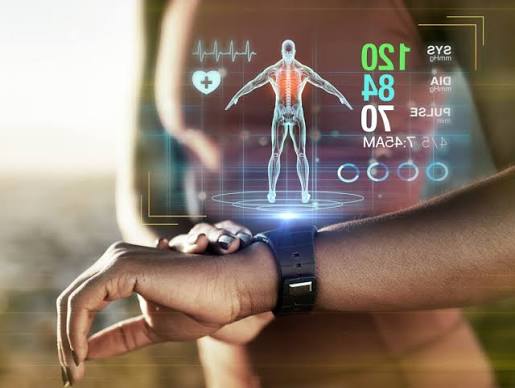
Wellness services were once personalized mainly through questionnaires, consultations, and periodic assessments. Wearable devices have changed that model by producing continuous streams of information about sleep, movement, heart rate, recovery, and daily routines. Instead of relying only on what a client remembers from the previous week, providers can now work with patterns that develop across days or months.
The shift is important because behavior outside a wellness session often determines whether a program works. A client may report feeling rested while data shows repeated sleep disruption, reduced movement, or changes in resting heart rate. Digital behavior can also become part of the broader lifestyle picture, whether a person spends the evening watching videos, reading, or following entertainment through resources such as vortex aero game link. The value of wearable data is not in judging these activities but in showing how routines, screen time, sleep timing, and recovery interact.
From Periodic Assessments to Continuous Data
Traditional wellness programs often begin with a snapshot: body measurements, activity levels, health goals, stress scores, and sleep habits. The problem is that a snapshot may not represent normal behavior. A stressful workweek or unusually active weekend can distort the picture.
Wearables add continuity. They can reveal whether sleep duration changes between weekdays and weekends, whether activity falls during work periods, or whether resting indicators change after several demanding days. This allows providers to distinguish isolated events from recurring patterns and make decisions based on trends rather than single measurements.
Personalization Moves Beyond Demographics
Age, weight, job type, and training history remain useful, but they do not explain how a person responds to a specific routine. Two clients of similar age may have different sleep patterns, recovery rates, and activity responses.
Wearable data makes personalization more behavioral. Instead of assigning the same recommendation to people in the same demographic group, a service can adapt based on individual responses. One client may tolerate late training without sleep disruption, while another may experience a delayed bedtime and lower next-day readiness. The program can therefore respond to observed outcomes rather than assumptions.
Recovery Becomes Easier to Quantify
Recovery is one of the areas where wearables can add structure. Clients often describe recovery using broad terms such as tired, sore, or energetic. These perceptions matter, but they can be combined with other indicators.
Heart rate trends, sleep duration, movement patterns, and changes in activity can help identify periods of accumulated fatigue. A wellness provider can compare this information with training schedules, work demands, and self-reported stress. The aim is not to let one metric decide whether a client should exercise. It is to build a broader picture of recovery and identify when several signals move in the same direction.
Sleep Recommendations Become More Specific
Generic advice to sleep eight hours is limited because sleep problems differ between clients. One person may have a short sleep window, another may wake several times, while a third may maintain sufficient duration but follow an unstable schedule.
Wearables help identify these differences. A wellness service can examine bedtime consistency, wake times, sleep duration, and changes associated with travel, alcohol, late meals, or evening activity. Recommendations can then address the actual pattern. For example, the priority may be creating a stable wake time rather than simply increasing total time in bed.
Activity Data Reveals What Happens Between Workouts
Many clients who train regularly assume they are active because they complete structured exercise sessions. However, a person can train for one hour and remain sedentary during most of the remaining day.
Wearables expose this difference by tracking daily movement patterns. A wellness program can identify long periods of inactivity and introduce small interventions, such as walking after meals, movement breaks during work, or short mobility sessions. These changes can be easier to maintain than adding another workout and may improve adherence because they fit into existing routines.
Programs Can Adapt Faster
Without continuous information, wellness programs are often reviewed every few weeks. Wearable data can shorten the feedback loop.
If sleep duration drops for several days while training load rises, the service can reduce demands before the client reaches a period of severe fatigue. If activity falls after a schedule change, the provider can identify the problem early and redesign the routine. This creates an adaptive model in which recommendations evolve as the client’s behavior changes.
However, faster adaptation does not mean constant modification. Daily fluctuations are normal. Effective personalization requires thresholds and trend analysis so that providers do not react to every temporary change.
Data Still Requires Human Interpretation
Wearables generate numbers, but numbers do not automatically create useful recommendations. Measurement errors, device placement, individual differences, and changes in routine can influence results.
The provider must therefore interpret data in context. A higher resting heart rate could reflect training stress, illness, poor sleep, dehydration, or other factors. A low activity score could represent sedentary behavior or a planned recovery day. Wearable information should support professional reasoning rather than replace it.
Privacy Becomes Part of Service Design
As wellness programs collect more personal data, privacy becomes a core operational issue. Clients should understand what information is collected, how long it is stored, and who can access it.
Providers also need to limit data collection to information that serves a defined purpose. Collecting every available metric can create unnecessary complexity and increase privacy risks. A focused system is often more useful than a large dashboard filled with indicators that do not affect decisions.
The Future Is Responsive Personalization
Wearables are moving wellness services from static plans toward systems that respond to individual behavior. The main change is not the number of metrics available. It is the ability to connect daily habits with outcomes over time.
The most effective services will combine wearable data with client feedback, professional interpretation, and clear goals. Personalization will become less about creating a unique plan once and more about continuously adjusting priorities as sleep, activity, workload, recovery, and behavior change. In that model, wearables become a decision-support tool rather than the wellness service itself.