
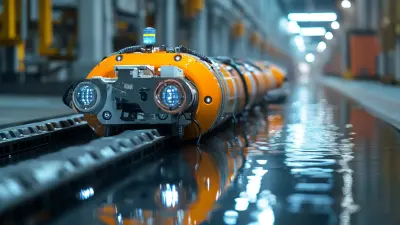
Maintaining underground piping systems requires more than responding to emergencies. Whether managing utilities, industrial facilities, commercial buildings, or specialized maintenance services, professionals need dependable tools that provide accurate information quickly. High-quality pipe inspection equipment represents an investment that delivers long-term value through improved reliability, greater efficiency, and lower operating costs. Rather than focusing only on the purchase price, organizations increasingly recognize the financial and operational advantages of choosing durable, professional-grade inspection technology.
Reliable Equipment Delivers Consistent Results
Inspection work often takes place in challenging environments where moisture, debris, uneven surfaces, and confined spaces are common. Equipment that performs consistently under these conditions allows technicians to complete inspections with confidence.
Well-engineered inspection systems are built with durable cables, protected camera heads, and dependable lighting that continue performing after repeated use. Reliable equipment reduces unexpected failures during inspections, helping projects stay on schedule while avoiding costly interruptions caused by malfunctioning tools.
Better Image Quality Supports Better Decisions
One of the greatest advantages of investing in premium inspection equipment is superior image clarity. Clear, high-resolution video allows technicians to identify subtle defects that may be overlooked with lower-quality systems.
Instead of relying on unclear footage, maintenance teams can distinguish between surface staining, structural cracks, corrosion, or material buildup. Better visual information leads to more accurate repair recommendations and prevents unnecessary maintenance work based on incomplete observations.
The result is greater confidence throughout the entire inspection process.
Reduced Equipment Replacement Costs
Lower-priced equipment may appear attractive initially, but frequent repairs and shorter service life often increase overall ownership costs. Components that wear out quickly require replacement, leading to additional purchases and unexpected downtime.
Professional-grade inspection systems are designed for long-term use. Their durable construction reduces maintenance requirements while extending operational lifespan. Over several years, this reliability often makes higher quality equipment the more economical choice.
Organizations benefit from stable performance instead of continually replacing worn or damaged inspection tools.
Increased Productivity For Inspection Teams
Efficiency is essential when inspection crews manage multiple projects each week. Equipment that is easy to transport, quick to assemble, and simple to operate allows technicians to complete more inspections within the same working day.
Advanced systems often include longer push rods, responsive controls, digital recording features, and convenient storage solutions that streamline field operations. Less time spent managing equipment means more time focused on inspecting pipelines and completing client work efficiently.
Improved productivity directly contributes to higher profitability for service providers.
Greater Confidence In Challenging Conditions
Inspection environments are not always ideal. Pipelines may contain standing water, sediment, or low visibility areas that require specialized equipment to inspect effectively.
Some clients frequently ask, Can a Sewer Camera see through water? Modern inspection cameras are designed to operate in wet environments. They can often capture useful images while submerged in relatively clear water. Although heavy sediment or extremely muddy conditions may reduce visibility, quality camera systems equipped with powerful lighting provide significantly better performance than basic inspection devices.
Choosing advanced equipment gives technicians greater confidence when working in demanding field conditions.
Supporting Professional Reputation
Inspection reports influence important maintenance and repair decisions. Clients expect accurate findings supported by clear visual evidence.
High-quality equipment produces professional inspection recordings that help explain identified issues clearly. Detailed images build trust because property owners, engineers, and decision makers can see the condition of the pipeline for themselves rather than relying solely on written descriptions.
This level of transparency strengthens professional credibility and encourages long-term client relationships.
Preparing For Future Technology
Modern inspection systems continue evolving with features such as digital reporting, wireless connectivity, improved storage capacity, and advanced location tracking. Investing in quality equipment today often provides compatibility with future upgrades, allowing organizations to expand capabilities without replacing entire systems.
This adaptability protects the original investment while keeping inspection operations current with changing industry standards.
Conclusion
Quality pipe inspection equipment is more than a purchase. It is a long-term investment in accuracy, efficiency, reliability, and professional service. Durable systems reduce replacement costs, improve inspection quality, increase technician productivity, and strengthen client confidence. As underground infrastructure continues to require careful monitoring and maintenance, organizations that invest in dependable inspection technology position themselves for lasting operational success and greater value over time.