
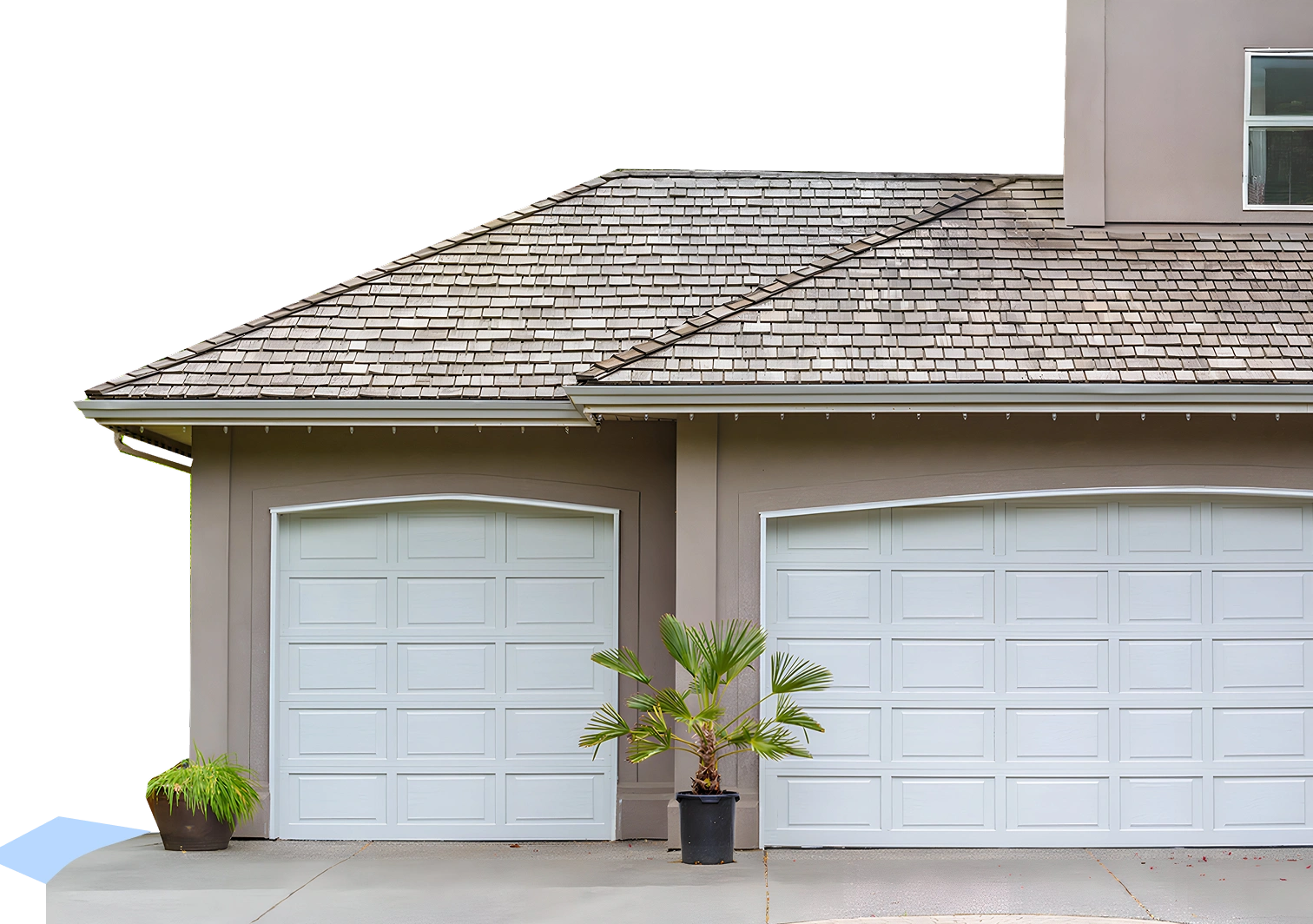
Buyers walk through a house studying kitchens, bathrooms, and the roof. The garage door gets a glance on the way in and a mental note that it opened. That’s usually the whole inspection.
It deserves more than that, particularly in Castle Rock where doors take a beating from intense sun, wind, hail, and a long cold season. A door that behaves during a spring showing can become a first-winter surprise, and new owners often find themselves searching for garage door repair in Castle Rock, CO within weeks of moving in.
The good news is that most of what matters is visible to anyone willing to stand in the garage and pay attention.
What Can You Spot Just by Watching the Door Move?
Run the door through a full cycle and watch it, rather than glancing at it. Smooth, even, and quiet is what you want. Jerking, hesitating, tilting to one side, or groaning on the way up all point to something underneath that a showing was never going to advertise.
Watch both sides rise together
A door should climb level. If one side leads and the other trails, something is out of balance or alignment. That isn’t cosmetic, and it wears out other parts while it goes unaddressed.
Listen to what the door is telling you
Grinding usually means dry or worn hardware, and rattling means something has loosened. A sharp bang partway through the travel is worth asking about directly, because it rarely stays minor.
What Should You Look At When the Door Is Closed?
A closed door shows you how it has been living. Look at the bottom seal, the panels, the finish, and the daylight. Gaps, rust, dents, and a chalky or peeling surface all say something about age, exposure, and whether anyone has been keeping up with maintenance.
What to look for with the lights off
Stand inside with the door closed and the lights off, then look for these.
- Daylight along the bottom edge, which means the seal is worn or the door sits unevenly
- Daylight down the sides, which can point to alignment trouble
- Dents and dimpling across the panels, common after hail season
- Rust along the bottom edge where snowmelt tends to sit
- Chalky, faded, or peeling paint from years of intense Colorado sun
- Water staining on the floor near the threshold
The bottom edge tells the real story
That strip takes the worst of everything. Snow piles against it, meltwater sits on it, and the sun works on it all summer. A hard, cracked seal is an easy fix, but it tells you how much attention the rest of the door has had.
Panels remember every hailstorm
Dimpling across the face of a door is more than a looks problem. Hail works the finish loose, and once the surface is compromised the panel underneath starts its own slow decline. Look at the door in daylight, from an angle.
Which Safety Features Should You Ask About Before You Commit?
The reversal behavior matters more than anything cosmetic. A door that doesn’t back off when something enters its path is a hazard rather than a repair item. Ask whether it has been tested recently, and treat a vague answer as a reason to bring in a technician before closing.
Ask about the safety reversal
Every modern door is built to back off when something enters its path. That is worth confirming through a technician rather than experimenting with someone else’s door during a showing.
Look at the opener itself
An opener that sounds strained, runs hot, or is slow to respond says something about its remaining life. Ask whether it has ever been serviced. Vague answers are answers too.
How Should What You Find Affect the Offer?
Most garage door problems are fixable, so the point is knowing exactly what you’re inheriting. A worn seal is minor. A door that’s out of balance or a spring system showing wear is a different conversation, and it belongs in writing before the sale wraps up.
Get a professional opinion on anything mechanical
Springs, cables, and balance aren’t homeowner territory, and not something a general home inspection covers in depth. A garage door technician can assess those quickly and tell you what the door needs.
Separate the cosmetic from the structural
Faded paint and a tired seal are maintenance. A door that won’t stay open, shifted tracks, or hardware showing real wear deserve different treatment in the negotiation.
The Garage Door Is Worth a Closer Look Before You Buy
A garage door is the largest moving part of a house and one of the harder things to put right after the fact. Spending a little time on it during a showing can change how you write the offer.
Watching a full cycle and checking the door with the lights off gives you a clear view of what the first year holds. It adds a few minutes to a walkthrough you’re already doing.
If anything raises a question, a trained technician can look at the balance, the hardware, and the safety features and give you a clear picture before you sign. That’s a short visit that buys real certainty.
2274 Manatt Ct, Castle Rock, CO 80104
303-381-0005