
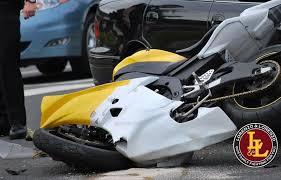
Motor vehicle accidents can create serious legal and financial challenges regardless of the type of vehicle involved. However, motorcycle accident claims differ significantly from standard car accident cases in ways that affect investigations, injury severity, insurance negotiations, and compensation outcomes. Riders face unique risks on the road, and these differences often make motorcycle-related claims more complex than typical automobile accident disputes.
An experienced attorney for motorcycle accident cases may review roadway conditions to determine whether hazardous pavement contributed to the collision.
Riders Face Greater Physical Exposure
One of the biggest differences between motorcycle and car accident cases is the level of physical protection available during a crash. Drivers inside cars are surrounded by airbags, seat belts, reinforced frames, and enclosed cabins designed to absorb impact.
Motorcycle riders have far less protection. Even while wearing helmets and safety gear, riders remain exposed to direct impact with vehicles, pavement, guardrails, or surrounding objects. As a result, motorcycle accidents often lead to far more serious injuries than many car crashes.
Because injuries are frequently severe, motorcycle accident claims commonly involve larger medical expenses, longer recovery periods, and greater long-term financial consequences.
Accident Reconstruction Is Often More Complex
Motorcycle crashes involve unique movement patterns that differ from standard car collisions. Riders may be thrown from the motorcycle, slide across road surfaces, or experience secondary impacts after the initial collision.
These factors make accident reconstruction more technically complicated. Investigators may need to analyze skid marks, vehicle angles, rider positioning, protective equipment damage, and roadway conditions in greater detail.
In some motorcycle accident cases, experts are brought in specifically to determine how rider movement and impact forces contributed to injuries.
Bias Against Riders Can Affect Claims
Another important difference involves public perception. Motorcycle riders are sometimes unfairly viewed as reckless, aggressive, or dangerous, regardless of the actual circumstances of the crash.
This bias can influence insurance adjusters, witnesses, and even jury opinions during legal proceedings. Riders may face greater scrutiny regarding speed, lane positioning, or riding behavior compared to drivers involved in standard car accidents.
As a result, motorcycle accident claims often require stronger evidence to overcome assumptions about rider responsibility.
Road Hazards Play A Larger Role
Road conditions affect motorcycles much more dramatically than passenger vehicles. Uneven pavement, potholes, loose gravel, standing water, or construction debris can easily destabilize a motorcycle while barely affecting a car.
Because of this, motorcycle accident investigations frequently examine whether road maintenance, signage, or hazardous surfaces contributed to the collision. In some situations, government agencies or construction companies may become part of the legal dispute.
These additional liability factors are less common in ordinary car accident cases.
Injury Claims Often Include Long-Term Recovery Needs
Motorcycle accident injuries commonly involve extended rehabilitation and permanent physical limitations. Riders may require surgeries, mobility support, physical therapy, or long-term pain management following serious crashes.
This creates major differences in compensation calculations. Motorcycle accident claims often include projected future medical care, reduced earning capacity, disability accommodations, and ongoing rehabilitation costs that may continue for years.
Car accident cases involving minor injuries generally do not involve the same level of long-term recovery planning.
Protective Gear Becomes Part Of The Investigation
In motorcycle accident claims, attorneys and insurance companies frequently review whether riders wore helmets and protective equipment at the time of the crash. Helmet laws vary by state, and safety gear usage may become part of liability discussions.
Protective clothing, gloves, boots, and riding jackets can also provide evidence regarding impact severity and injury mechanisms. These details rarely play a similar role in standard car accident claims.
Insurance Negotiations Tend To Be More Aggressive
Because motorcycle accident injuries often result in higher compensation demands, insurance companies may challenge claims more aggressively. Disputes over medical treatment, future care needs, and fault allocation are common in these cases.
Insurance adjusters may attempt to reduce payouts by emphasizing rider risk assumptions or questioning injury severity. This creates a more adversarial negotiation process compared to many routine car accident settlements.
Emotional Trauma Can Be More Severe
Motorcycle crashes frequently produce intense emotional trauma because riders experience direct exposure during collisions. Survivors may struggle with anxiety, fear of riding again, or psychological distress related to the accident experience.
These emotional effects can become an important part of motorcycle injury claims and often require additional medical evaluation and support.
Conclusion
Motorcycle accident claims differ from standard car accident cases in many important ways. Greater physical exposure, severe injuries, roadway hazards, technical investigations, insurance challenges, and rider bias all contribute to the complexity of these claims. Because motorcycle accidents often involve long-term medical and financial consequences, legal cases require careful evaluation and detailed evidence.