
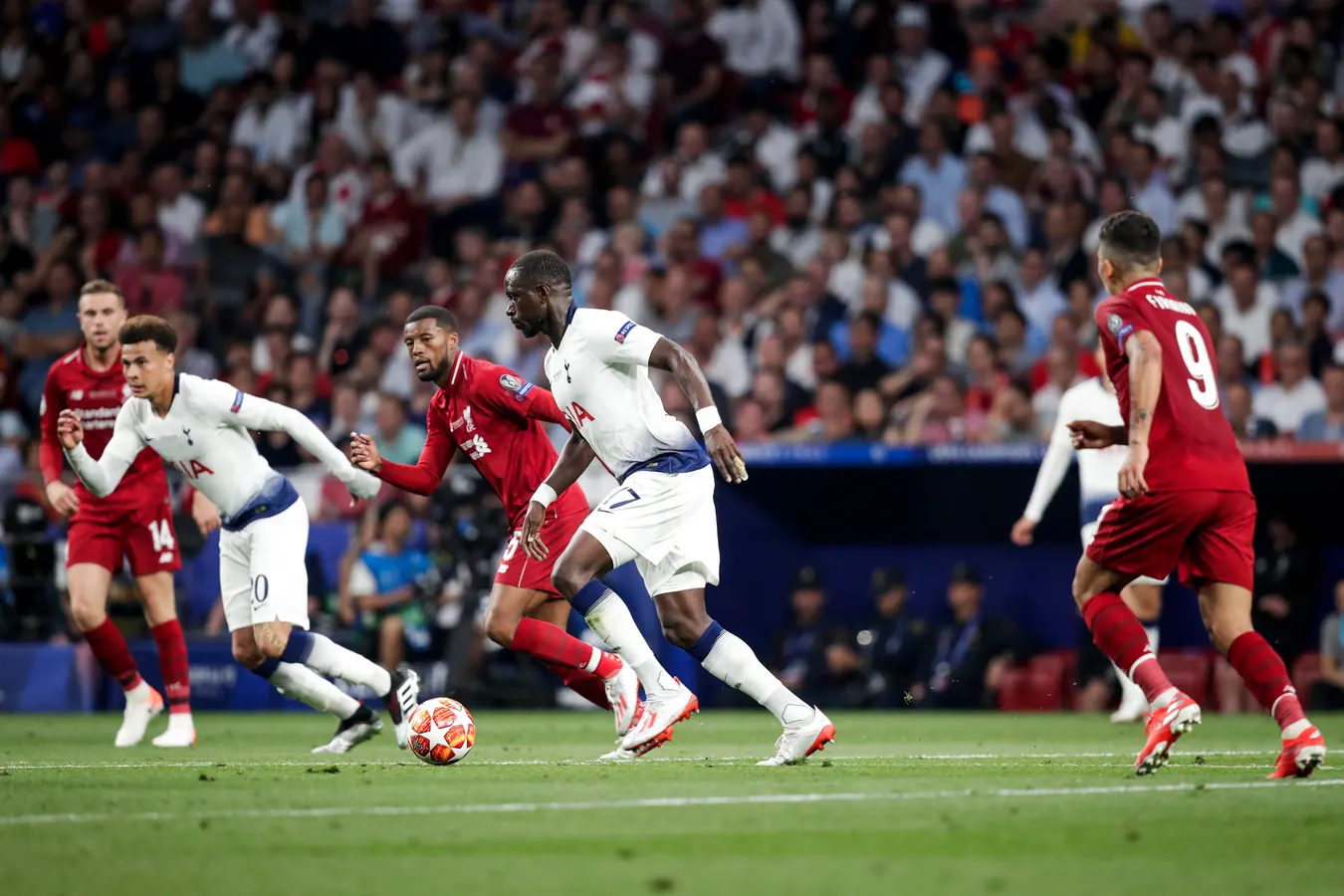
Major Premier League fixtures in 2018/2019 carried emotional weight, global attention, and huge betting volumes, and those conditions often nudged prices away from cold probability. When Liverpool, Manchester City, or another member of the traditional “big six” met a rival in a high‑profile game, the market frequently attached a premium to favourites or to popular narratives, creating odds that were rich in story but thin in true value. Understanding which match types the market tended to overprice, and why, is the first step toward reading these big occasions with more discipline.
Why the Idea of Overpriced Big Matches Is Logical
Flagship fixtures in the Premier League attract far more public money than ordinary games, and public money tends to favour favourites and attacking storylines rather than sober risk assessment. That imbalance means prices reflect not only underlying probabilities but also how badly the crowd wants a specific outcome, often shortening odds on big clubs beyond what their real edge justifies. In 2018/2019, this effect was amplified by the title race spotlight and record overall goal numbers, which made “exciting” outcomes feel more likely than they truly were.
At the same time, bookmakers respond to this demand by shading lines toward popular sides and popular bet types, knowing that emotional bettors often accept a smaller expected return if it aligns with their expectations. When two historically strong clubs met, the favourite’s odds could be compressed and totals inflated because people assumed that big names automatically produced open, decisive games. The combination of sentiment and risk management naturally created pockets where prices were high relative to more grounded assessments of form, tactics, and fatigue.
How 2018/2019’s Competitive Landscape Fed Mispricing
The 2018/2019 season was defined by an intense title race and a clear stratification between the top sides and much of the rest of the league. In long‑term markets, that hierarchy produced very short pre‑season and in‑season prices on Manchester City and Liverpool to win the title, reflecting just how strongly bookmakers and bettors rated them against the field. In individual big matches, this hierarchy encouraged the belief that either of those teams would dominate even strong opposition, which often filtered into match odds that underplayed the real competitiveness of elite‑level clashes.
At the same time, the gap between perception and reality widened in some areas. Futures prices on non‑favourites ballooned dramatically as the season progressed, with clubs like Tottenham, Chelsea, and Arsenal drifting to very long title odds even as they remained capable of producing strong one‑off performances against anyone. That context mattered because the public’s sense of these clubs as “also‑rans” in the title race sometimes caused match markets to over‑discount their chances in specific high‑profile encounters, inflating the perceived edge of the two leading contenders beyond what a single game justified.
Where Prices on Big Names Became Excessive
Overpricing in blockbuster fixtures tended to show up in a few consistent ways. One was the home favourite in a big six clash being priced as if facing a mid‑table side, with odds indicating a win probability far higher than the historical balance of similar fixtures would suggest. Another was the assumption that an elite attack would translate automatically into goals against any rival, increasing the price on high goal totals even when both teams had incentives to be cautious. In both cases, expectations built on status rather than matchup detail pushed odds upward.
Late‑season matches, when titles, European places, or reputations were on the line, also saw a tendency toward inflated prices on the perceived “stronger” club. As narratives around momentum and “must‑win” scenarios grew louder, markets often over‑reacted, shortening odds to levels where the potential reward no longer matched the risk. The effect was especially visible when a favoured side had been on a strong run; streaks that were impressive but statistically normal were treated as evidence that variance had somehow disappeared, and prices on the big name hardened accordingly.
How Public Sentiment Distorts Odds in Blockbuster Fixtures
Public sentiment in 2018/2019 revolved heavily around certain clubs and players, and those emotional anchors influenced where money flowed before kick‑off. Title favourites with star‑studded squads attracted backing even when short-term factors—fatigue, rotation, or tactical matchups—argued for more caution. That demand allowed bookmakers to offer less generous odds on these teams while still balancing their books, meaning the “headline” prices in big matches were often more a reflection of desire than dispassionate probability. The result was an underlying bias toward overpricing the glamour side in marquee games.
Similarly, narratives about attacking football and record‑breaking goal totals pushed many bettors toward overs in high‑profile fixtures. Even when two top teams had strong defensive structures and a history of pragmatic approaches in head‑to‑head meetings, the memory of spectacular scorelines in other games led to inflated enthusiasm for high‑scoring outcomes. As money followed that story, prices on goal‑heavy scenarios could drift above what more neutral models would predict, leaving relatively better value in less fashionable angles such as tighter scorelines or draw outcomes.
Mechanisms Behind Odds Being “Too High” in Big Games
When people say a price is “too high” in a big Premier League match, they usually mean that the implied probability suggests an outcome is more likely than it realistically is. The mechanism often starts with crowd overconfidence in a favourite or a narrative outcome, which drives disproportionate betting volume onto that side. Bookmakers, in turn, shade the line slightly to protect against exposure, moving the odds in a direction that favours the house while still attracting bets. Over time, this interaction can push prices away from an evidence‑based estimate of each team’s real chances, particularly in matches with enormous global interest where sentiment plays an outsized role.
Examples of Match Types Prone to Overpricing
While precise pricing varies by fixture, we can sketch typical 2018/2019 match archetypes where odds were often richer in story than in value. These are not about naming specific games, but about recognising structures that tend to recur whenever big clubs meet under certain conditions. Once you understand these archetypes, spotting inflated prices becomes a matter of pattern recognition rather than hindsight.
A simple way to compare them is to consider the qualitative features of each match type rather than focusing solely on odds numbers. The table below uses an illustrative view of three common blockbuster scenarios and how they tend to invite mispricing.
| Match archetype | Market tendency | Overpricing risk driver |
| Top‑two title showdown | Very short prices on both big outcomes | Emotional stakes, global attention, recency bias |
| Big six vs underperforming big six rival | Favourite priced as clearly superior | Overreaction to recent form and league position |
| Derby between historic rivals | Overemphasis on goals and drama | Narrative expectations and media‑driven storylines |
These archetypes matter because they show that mispricing is not random; it clusters around fixtures where emotions and narratives are strongest. Once you recognise that pattern, you can treat any blockbuster match in a future season with more suspicion when the odds appear to lean too heavily toward one outcome. That disciplined skepticism is often the difference between following the crowd into overpriced bets and pausing to ask whether the numbers genuinely make sense in light of both teams’ underlying performance.
Reading Odds Movements and the Role of UFABET
When you follow a blockbuster match from the moment odds open to the closing whistle, price changes often reveal how sentiment and information collide. Early lines may already lean toward a glamour club based on reputation, but as team news, tactical hints, and professional money arrive, odds can either correct toward more realistic levels or drift even further into emotionally driven territory. In some cases, heavy public backing ahead of televised clashes pushes prices to levels where the implied advantage of the favourite becomes exaggerated compared to comparable historical fixtures. In that context, it can be instructive to imagine tracking those movements across a sports betting service such as คืนยอดเสีย ufabet, not to endorse any activity, but to observe how times of day, media narratives, and late team news alter the balance between sharp and casual money, and to see how often blockbuster fixtures end up closing at numbers that look rich compared to the underlying evidence.
Media Hype, Ticket Pricing, and Perceived Value
Economic studies around the same era show that clubs often charged higher ticket prices for high‑profile opponents, recognising that demand spikes for marquee fixtures. That willingness of fans to pay more for prestige opponents reflects a broader psychological pattern: people accept worse financial terms when the emotional or symbolic value of the event is high. The same logic translates into betting markets, where many are comfortable taking shorter odds on a big match simply to be involved, even if those prices are less favourable than those on lower‑profile games.
In 2018/2019, this overlap between emotional and financial value created an environment where both stadium seats and odds in major fixtures carried a premium. Fans, broadcasters, and sponsors all focused attention on a handful of marquee dates, which magnified any existing biases around top teams and attacking football. That pressure made it easier for markets to sustain inflated prices on certain outcomes; the spectacle itself became part of what people were willing to pay for, blurring the line between a rational assessment of probability and the desire to participate in a big occasion.
How Overpricing Fails and Self-Corrects
Overpricing in blockbuster matches is not a permanent, one‑way phenomenon. When favourites repeatedly fail to cover their implied probabilities, or when supposedly wide‑open derbies end in cautious draws, both bettors and bookmakers adjust. In later parts of the 2018/2019 season, some high‑profile games saw tighter, more balanced lines as models and experienced bettors imposed discipline on the odds. This self‑correction demonstrates that while hype can distort prices in the short term, persistent mispricing tends to attract counter‑pressure from those willing to oppose the crowd.
However, corrections are rarely perfect or immediate. New narratives—such as a remarkable run of form or a dramatic late‑season storyline—can replace earlier ones, reintroducing bias under a different guise. Even when markets broadly understand that, for example, top‑six clashes are often tighter than people assume, a particular fixture can still be swept up in unique circumstances that justify fresh overreactions. Recognising this ebb and flow keeps the focus on process rather than assuming that any one season permanently “solved” the problem of overpriced big matches.
Conditional Scenarios That Reduce Overpricing Risk
Certain conditions make it less likely that a big Premier League match will be significantly overpriced. When both sides have recently underperformed expectations, media attention may shift away slightly, reducing casual betting volume and giving more weight to data‑driven views. When injury news clearly weakens a favourite, sharp money can quickly push lines back toward more neutral territory, limiting how far sentiment can stretch the odds. Finally, when a fixture occurs amid a congested schedule—such as around European commitments—savvy market participants often price in fatigue and rotation risk early, muting the impact of pure narrative and bringing big‑match odds closer to their underlying probabilities.
Summary
The idea that some 2018/2019 Premier League blockbusters were overpriced rests on a simple chain: emotional demand and global attention pushed money toward big names and dramatic outcomes, and bookmakers adjusted odds to reflect that appetite. Title races, historic rivalries, and media narratives all fed into prices that sometimes overstated favourites’ real edge or the likelihood of high‑scoring spectacles. Over time, professional money and evolving information helped correct the worst distortions, but the fundamental tendency remained: when a match carries enormous symbolic weight, the odds often carry a premium too. Recognising the match types and conditions that foster that premium is essential for any logic‑driven interpretation of “overpriced” big games in a season as intense and widely watched as the 2018/2019 Premier League campaign.